
How Can I Tell If This Is Normal or a Sign of Failure?
Condensation on windows is something most homeowners notice at some point, especially during colder months. Sometimes it’s completely normal and nothing to worry about. Other times, it can be a sign that your window is no longer performing properly. The key is knowing where the condensation is forming and what it means for your home.
Understanding the difference between normal condensation and a window seal failure can help you avoid bigger problems like energy loss, water damage, or mold growth.
Here’s how to tell the difference and when it might be time to call a professional.
What Causes Condensation on Windows?
Why Low-Maintenance Materials Matter More Than Ever
Condensation forms when warm, moist air comes into contact with a cooler surface, like glass. This is especially common in winter when indoor air is warm and outdoor temperatures are cold.
Common causes of window condensation include:
- High indoor humidity
- Cold outdoor temperatures
- Poor air circulation
- Steamy showers or cooking
- Humidifiers running frequently
Not all condensation means your windows are failing. The location of the condensation is what matters most.
When Condensation Is Normal
In many cases, condensation is completely normal and doesn’t mean your windows need to be replaced.
Interior Condensation (Inside Your Home)
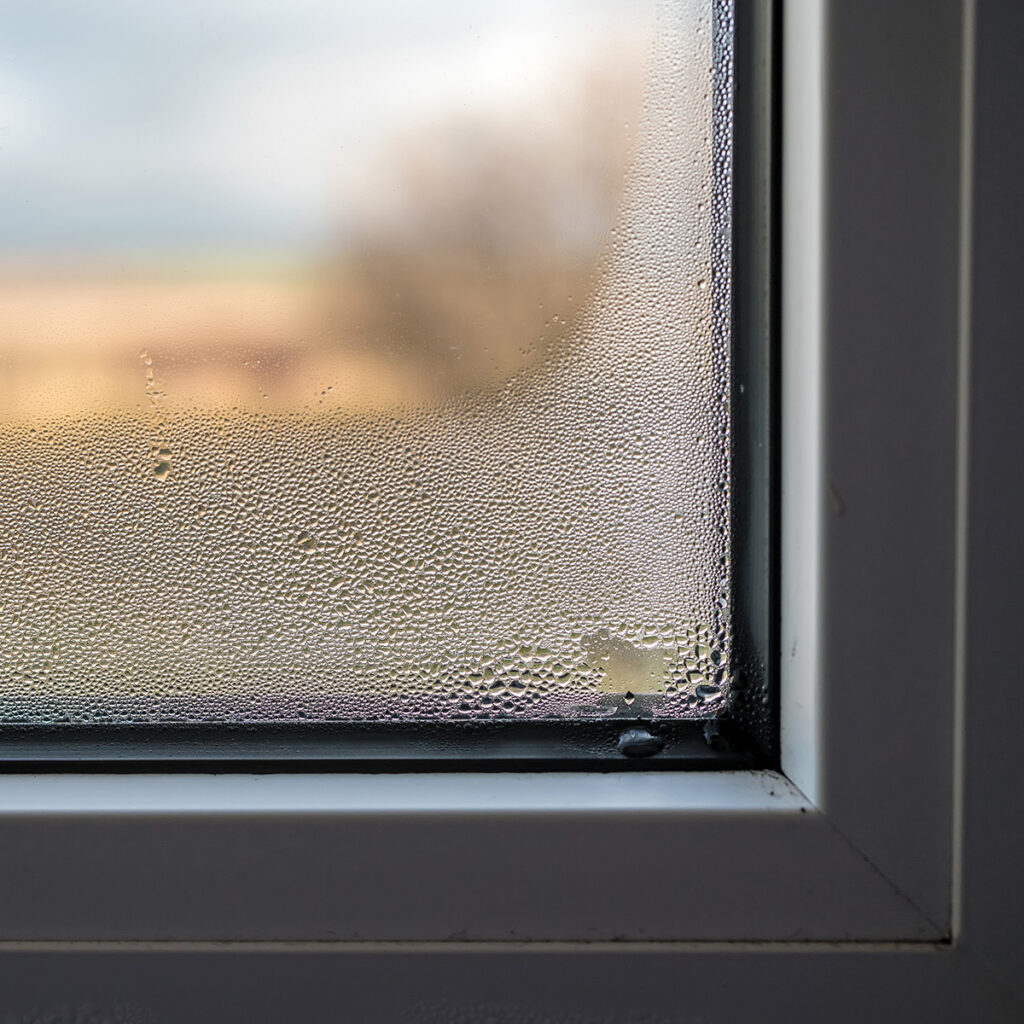
If condensation appears on the inside surface of the glass, it’s usually caused by high indoor humidity. This is common in winter and can often be improved by:
- Using bathroom and kitchen exhaust fans
- Running a dehumidifier
- Improving air circulation
- Opening blinds and curtains to allow airflow
It won’t rot, peel, crack, or corrode. That makes it ideal for windows, doors, trim, and other exterior elements exposed to the elements.
Exterior Condensation (Outside of the Window)
Condensation on the outside of your windows is actually a good sign. It usually means your windows are well insulated and are preventing heat transfer, which causes the outer glass surface to stay cool.
This type of condensation will usually disappear as the day warms up.
When Condensation Is a Sign of Window Failure
The biggest warning sign of a problem is condensation between the glass panes of double-pane or triple-pane windows.
This typically means the insulated glass seal has failed. When the seal breaks:
- Moisture gets trapped between the panes
- The insulating gas escapes
- The window loses energy efficiency
- Fogging or haze becomes permanent
If you can’t wipe the condensation away from either side of the glass, the problem is likely inside the window unit itself.
Signs Your Window Seal May Have Failed
It’s not always obvious right away, but there are several signs that indicate a seal failure rather than normal condensation:
- Fog or haze between glass panes
- Water droplets trapped between panes
- Cloudy windows that never look fully clean
- Drafts near closed windows
- Rising energy bills
- Uneven indoor temperatures
If you notice these issues, the window may no longer be properly insulating your home.
Repair vs Replacement: What Are Your Options?
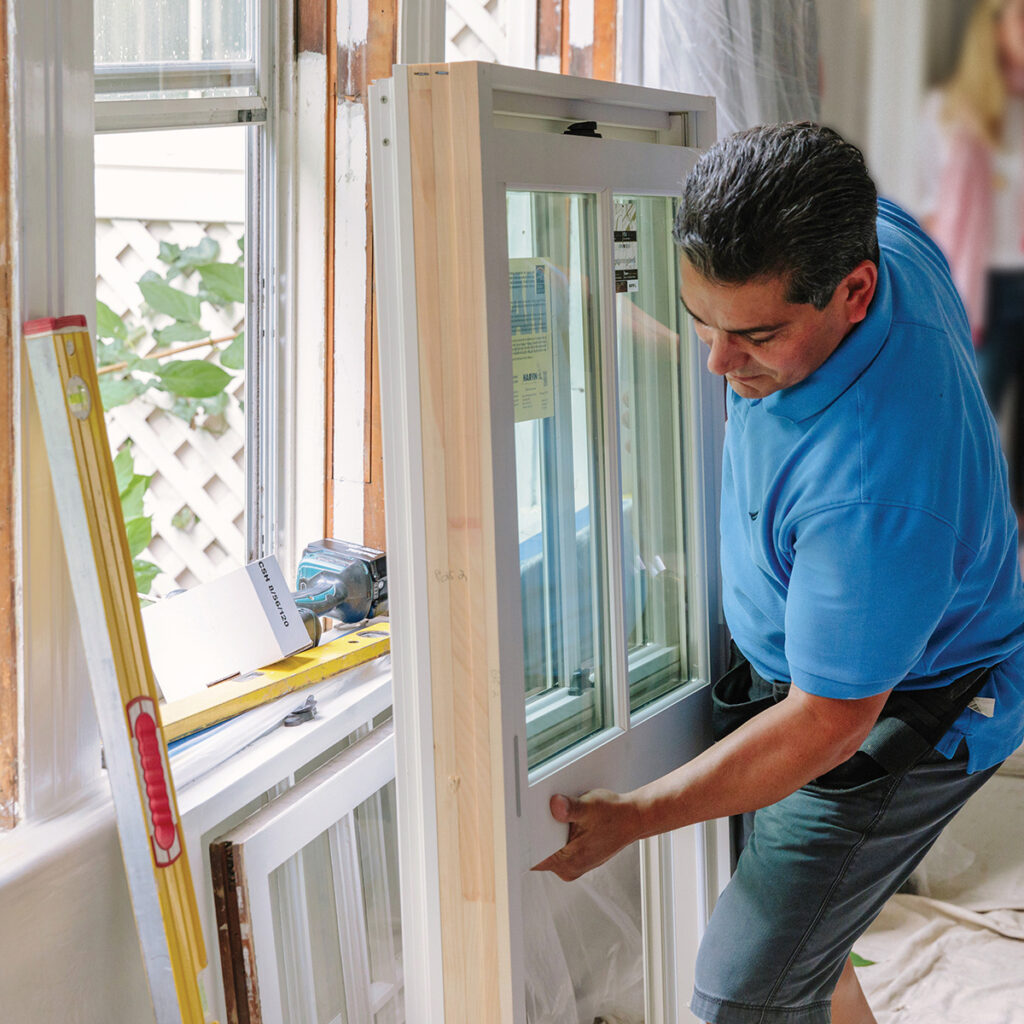
If condensation is caused by a failed seal, the solution depends on the condition of the window frame and the age of the window.
Glass Replacement Is Often the Best Option When:
- The window frame is still in good condition
- The issue is limited to seal failure
- You want a more cost effective solution
- The windows are relatively newer
Full Window Replacement May Be Better When:
- The frames are old, warped, or damaged
- The windows are very inefficient overall
- Multiple windows are failing
- You’re planning a larger home upgrade
A professional inspection can help determine which option makes the most sense for your home and budget.
Benefits of Fixing Window Seal Failure
Addressing the problem early helps restore comfort and efficiency in your home.
Key benefits include:
- Improved energy efficiency
- Lower heating and cooling costs
- Clearer windows and better visibility
- Improved indoor comfort
- Reduced strain on your HVAC system
- Prevention of further window damage
Ignoring seal failure can lead to higher energy bills and more expensive repairs later.
Why Professional Service Matters
Windows are designed to be airtight and energy efficient. When a seal fails, the repair or replacement must be done precisely to restore the window’s performance.
Professional service ensures:
- Proper diagnosis of the problem
- Correct measurements and fit
- High quality replacement materials
- Proper sealing and insulation
- Long term performance
DIY fixes are usually temporary and won’t restore the insulating value of the window.
FAQ - Condensation on Windows
Why Work With Lawrenceville Home Improvement?
If you’re noticing condensation, foggy glass, or drafty windows, having a professional inspection is the best first step. Lawrenceville Home Improvement helps homeowners determine whether the issue is normal humidity, a seal failure, or a larger window performance problem.
Homeowners choose Lawrenceville Home Improvement because they offer:
- Professional window inspections
- Honest recommendations on repair vs replacement
- High quality window replacement options
- Energy efficient solutions
- Experienced installation and service
- Reliable, local expertise
If you’re unsure whether your window condensation is normal or a sign of failure, a professional evaluation can give you clear answers and the right solution for your home.